
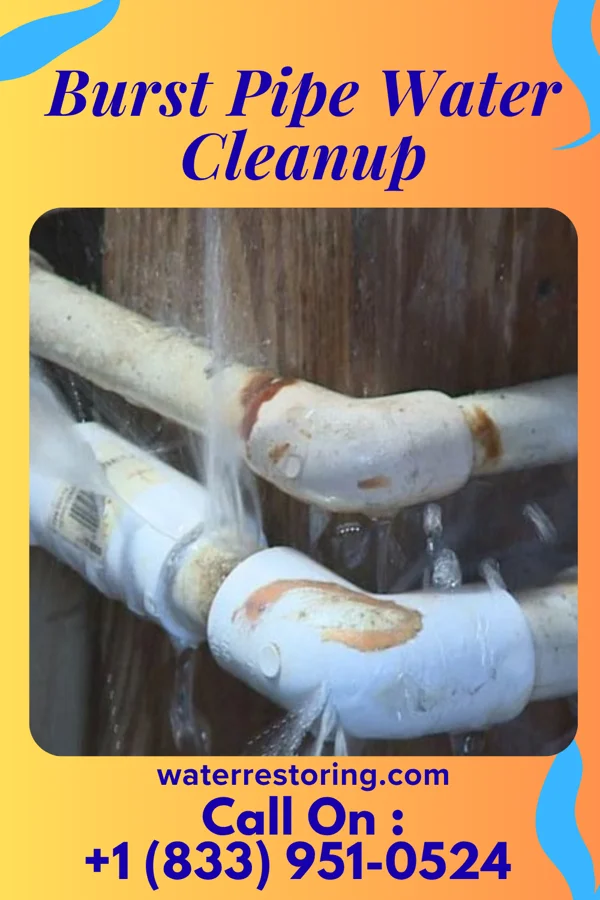
Franklin Pipe Burst Risk Drivers
Water damage in Franklin tends to cluster in predictable windows because of the local climate. Franklin, New Jersey, experiences seasonal fluctuations in temperature that can cause pipes to expand and contract, increasing the risk of bursts during extreme cold or sudden temperature changes. The rural setting of Franklin also means that older infrastructure may not be as well-maintained as in more densely populated areas, contributing to a higher likelihood of pipe failures. A close second is The proximity to smaller towns like Ogdensburg, NJ, Hamburg, NJ, and Ross Corner, NJ, means that Franklin residents may be affected by regional water pressure changes or municipal water line issues. Additionally, the area's lower population density can lead to less frequent maintenance on private water systems, further increasing the risk of pipe bursts..
Franklin's climate, characterized by cold winters and humid summers, plays a significant role in pipe burst risks. The area's seasonal weather patterns, combined with its rural layout, create conditions where pipe failures are more likely to occur and require prompt attention.
Franklin's climate, characterized by cold winters and humid summers, plays a significant role in pipe burst risks. The area's seasonal weather patterns, combined with its rural layout, create conditions where pipe failures are more likely to occur and require prompt attention. The dominant local driver is Franklin, New Jersey, experiences seasonal fluctuations in temperature that can cause pipes to expand and contract, increasing the risk of bursts during extreme cold or sudden temperature changes. The rural setting of Franklin also means that older infrastructure may not be as well-maintained as in more densely populated areas, contributing to a higher likelihood of pipe failures., with The proximity to smaller towns like Ogdensburg, NJ, Hamburg, NJ, and Ross Corner, NJ, means that Franklin residents may be affected by regional water pressure changes or municipal water line issues. Additionally, the area's lower population density can lead to less frequent maintenance on private water systems, further increasing the risk of pipe bursts. showing up as the next most common cause. Damage builds in stages. Spread. Absorption. Microbial growth. Structural compromise. Every stage you pass through adds to the final bill.
For public guidance on the health effects of mold after prolonged water exposure, see the EPA mold and health page.